

A golf cart that sits for a month with a half-charged pack comes back weaker than one that was ridden every week. Lead-acid batteries sulfate when they sit discharged. Lithium batteries prefer a partial charge and a temperature that stays above freezing.
Lead-acid
Charge the pack until the charger shuts off. Water flooded batteries after that charge. Disconnect the main negative cable, or plug in a charger that is made to maintain a golf cart pack, and check the voltage once a month. A pack left at half charge through a cold snap can freeze and crack the case. Do not store a flooded battery on a concrete floor story as a reason to skip the charge. The discharge is the problem, not the concrete.
Lithium
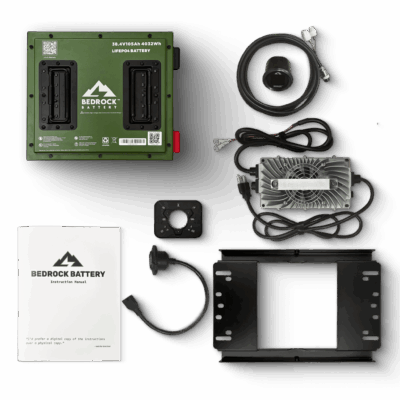
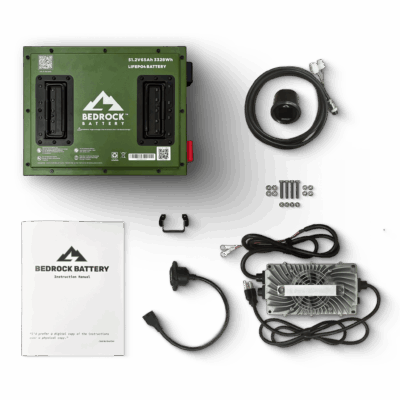
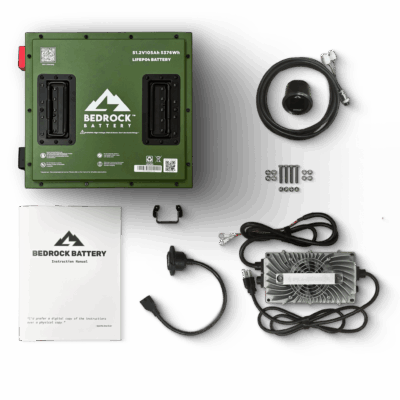
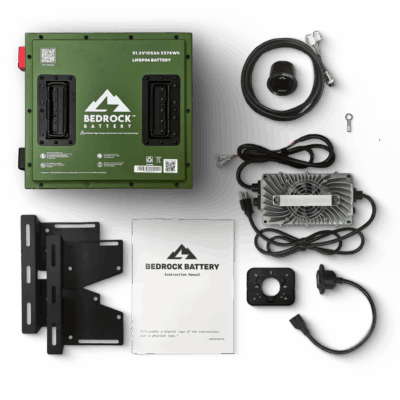
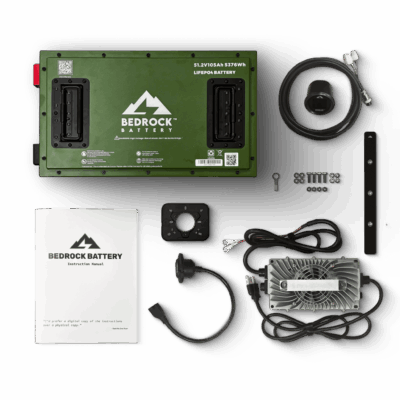
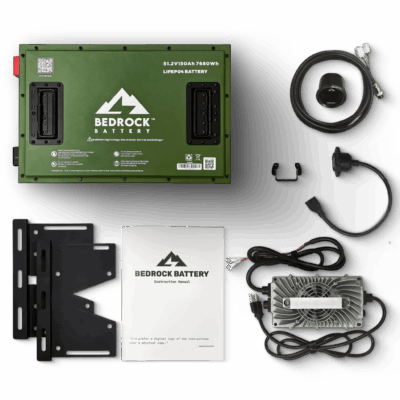
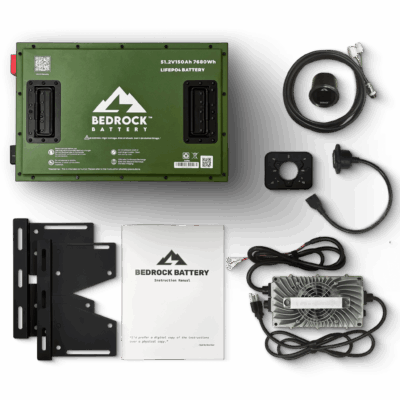
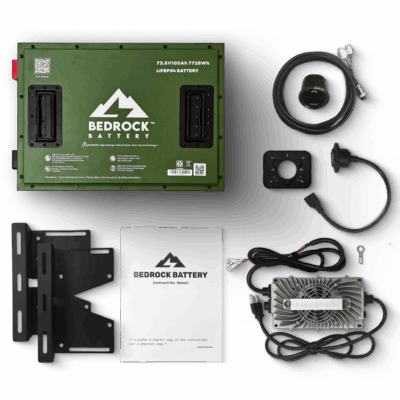
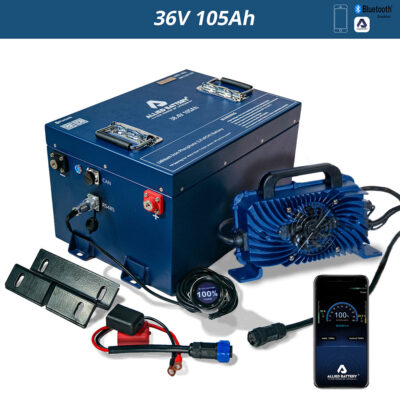
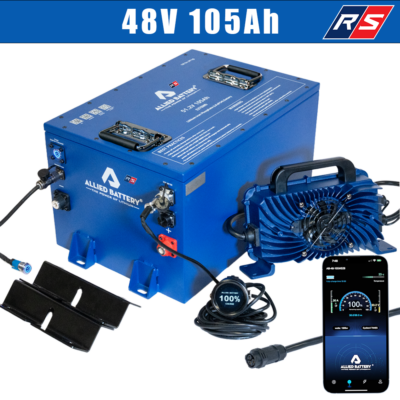
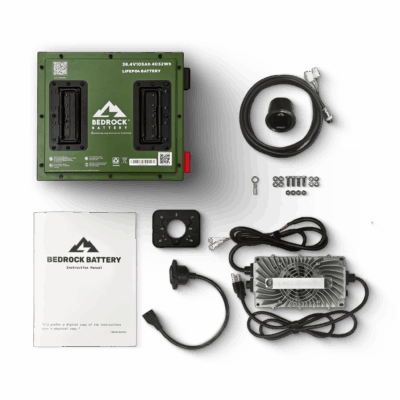
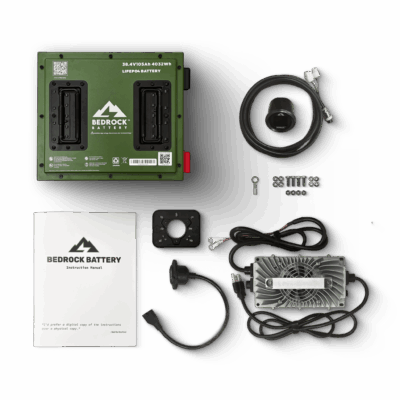
Leave a lithium pack around half to three-quarters charged if the maker says so, and do not leave it plugged into a lead-acid charger. Charge only inside the temperature range printed on the battery. Most LiFePO4 packs should not be charged below 32°F unless the battery has a heater. A cart stored outdoors in a freeze needs the lithium battery brought inside, or a heated model.
When the cart comes back out, charge it fully before the first long ride. If the lead-acid pack will not take a charge after storage, it is time for a new set or a lithium conversion.