

Golf cart batteries rarely die on a single ride. The cart gets slower on the same hill, the afternoon range shrinks, and then one day it will not leave the driveway. Catching it at the slow-hill stage is cheaper than towing it.
What you feel
- The cart used to make the loop and now needs a charge at lunch.
- Speed falls off as soon as the state-of-charge meter leaves full, which is normal for tired lead-acid and less so for lithium.
- One battery case is swollen, or one battery is hot after a ride while the others are warm.
- The charger runs much longer than it used to, or it never shuts off.
- You smell sulfur, or you see acid stains under one battery.
What to do next
Check the water, clean the posts, and confirm the charger matches the pack. A lead-acid charger left on a lithium battery, or a lithium charger left on flooded batteries, will mimic a failed pack. If the hardware is right and one battery rests a volt low, the pack is at the end of its useful life.
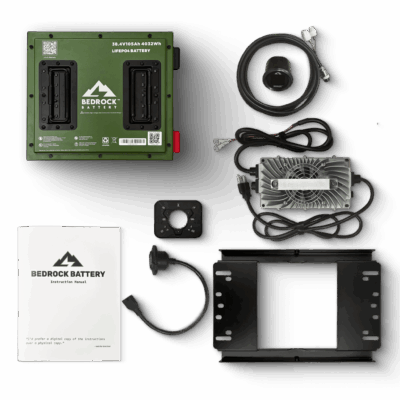
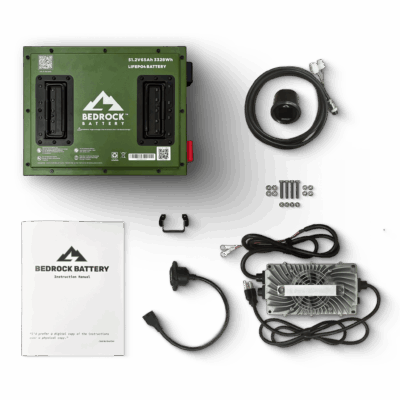
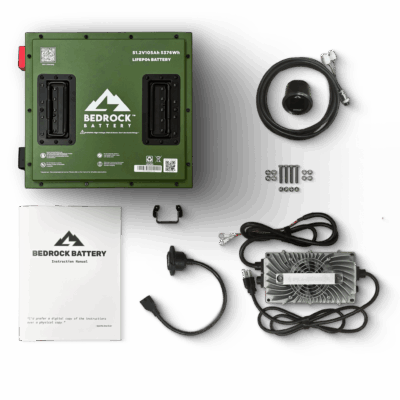
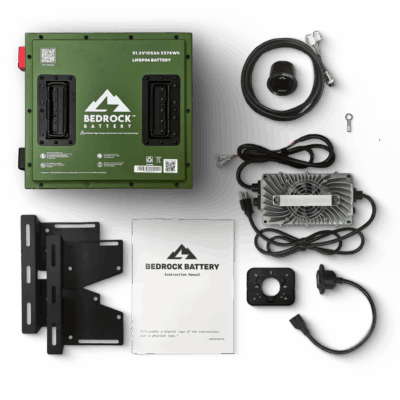
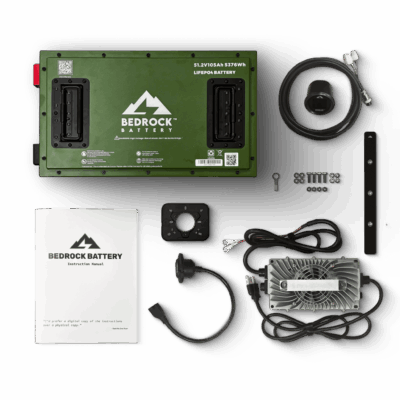
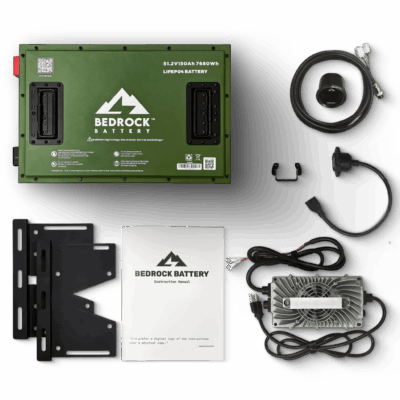
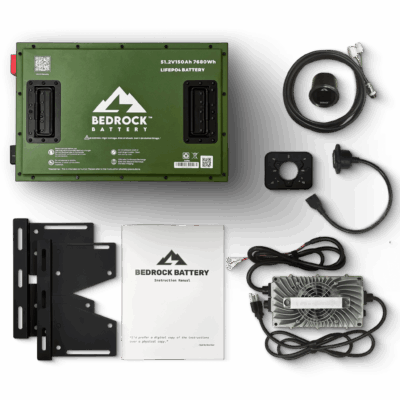
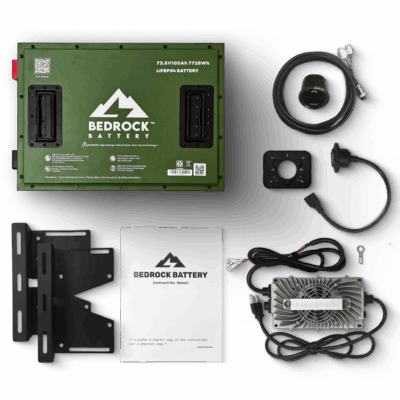
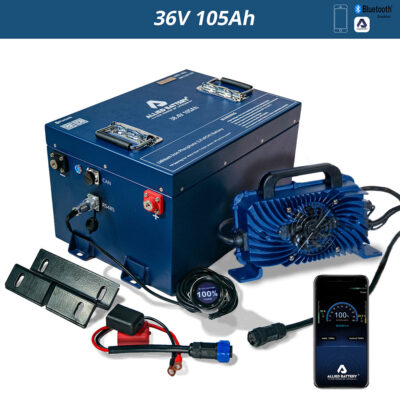
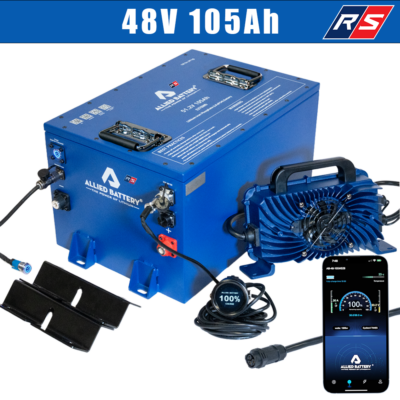
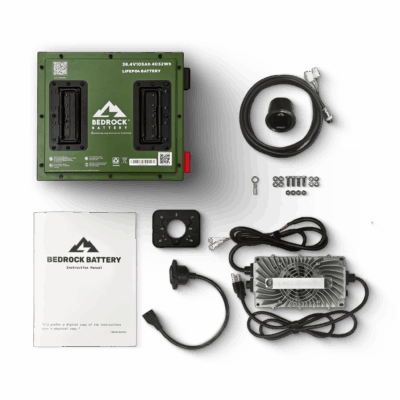
A flooded set in hard use and heat often needs replacement in a few seasons. Lithium is the other path when you are tired of watering. Read lead-acid vs lithium before you pick, and use the fitment guide so the kit matches the tray.